

- February 13, 2026
- Dr. Vikrant Kale
- 0 Comments
- Liver Disease
What Happens If Fatty Liver Is Ignored?
Fatty liver is often called a “silent” condition. Many people in Pune are diagnosed with fatty liver during routine health check-ups. Since there are no major symptoms in early stages, most patients ignore it. Some believe it is a minor issue. Others think medicines alone will cure it.
But the truth is different. If fatty liver is ignored, it can slowly progress to serious and life-threatening liver disease. According to Dr Vikrant Kale, early-stage fatty liver is reversible, but delayed treatment can lead to permanent liver damage. This blog explains what happens if fatty liver is not treated on time.
Understanding Fatty Liver:
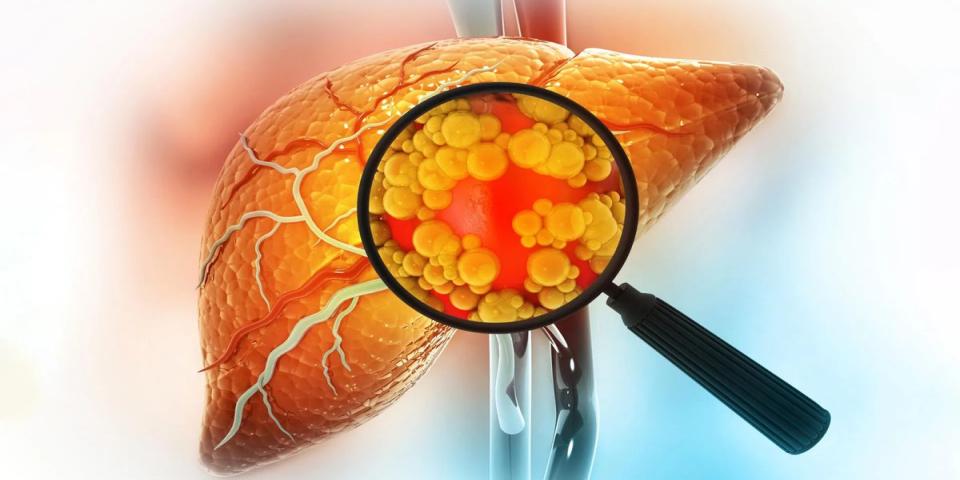
Fatty liver, also known as Non-Alcoholic Fatty Liver Disease (NAFLD), happens when excess fat accumulates in the liver. It is common in people who are overweight, diabetic, or living a sedentary lifestyle. In cities like Pune, especially in areas like Wakad and Hinjewadi, increasing work stress, unhealthy diet, and lack of exercise have led to a sharp rise in cases.
There are four main stages of fatty liver:
- Simple fatty liver (steatosis)
- Non-Alcoholic Steatohepatitis (NASH)
- Liver fibrosis
- Liver cirrhosis
Ignoring fatty liver allows the disease to move from stage 1 to advanced stages.
Progression to NASH (Liver Inflammation):
In the beginning, fatty liver may only involve fat accumulation. But if not controlled, it can lead to inflammation of liver cells. This condition is called NASH. At this stage, liver cells start getting damaged. Blood tests may show elevated liver enzymes. Patients may feel fatigue, mild abdominal discomfort, or weakness. NASH is more dangerous than simple fatty liver because it can progress further to fibrosis. Early consultation with the best gastroenterologist in Pune helps in identifying this stage before permanent damage occurs.
Development of Liver Fibrosis:
Fibrosis means scarring of liver tissue. When inflammation continues for a long time, the liver tries to repair itself. During this repair process, scar tissue forms. Scar tissue reduces the liver’s ability to function properly. The liver becomes stiff. This stage may still be manageable if treated early. However, if ignored, fibrosis can worsen and become irreversible.
According to Dr Vikrant Kale, many patients in Pune visit the clinic only after fibrosis has already developed. Regular monitoring through blood tests and FibroScan helps in early detection.
Liver Cirrhosis – A Serious Condition:
Cirrhosis is the advanced stage of liver damage. In this condition, large portions of healthy liver tissue are replaced by scar tissue. Cirrhosis affects liver function severely. The liver can no longer perform its normal tasks such as detoxification, protein production, and digestion support.
Symptoms of cirrhosis include:
- Swelling in legs
- Abdominal swelling (ascites)
- Jaundice (yellow eyes and skin)
- Easy bruising
- Extreme fatigue
Cirrhosis is often permanent. In severe cases, liver transplant may be required. This is why fatty liver should never be ignored.
Increased Risk of Liver Cancer:
Long-standing fatty liver, especially when it progresses to cirrhosis, increases the risk of liver cancer. Many patients are shocked to learn that untreated fatty liver can eventually lead to cancer. Though not everyone with fatty liver develops cancer, the risk increases significantly in advanced stages. Regular follow-up with a gastroenterologist in Wakad Pune helps in early screening and prevention.
Higher Risk of Heart Disease:
Fatty liver is not only a liver problem. It is closely linked with metabolic syndrome. Patients with NAFLD often have:
- Diabetes
- High blood pressure
- High cholesterol
- Obesity
These conditions increase the risk of heart attack and stroke.
In fact, many studies show that heart disease is a leading cause of death in patients with fatty liver. Ignoring fatty liver means ignoring overall metabolic health.
Liver Failure:
In extreme cases, untreated fatty liver can lead to liver failure. This is a life-threatening emergency.
Symptoms of liver failure include:
- Severe jaundice
- Confusion (hepatic encephalopathy)
- Severe abdominal swelling
- Internal bleeding
At this stage, emergency hospital care is required. Sometimes liver transplant becomes the only option. Early lifestyle correction can prevent this serious outcome.
Why Do People Ignore Fatty Liver?
Many people ignore fatty liver because:
- They have no symptoms
- They feel “normal”
- They believe it is common and harmless
- They depend only on medicines without lifestyle change
But fatty liver requires active management. Dr Vikrant Kale advises patients in Pune to treat fatty liver as a warning sign. It indicates that the body’s metabolism is disturbed.
Can the Damage Be Prevented?
Yes. The good news is that early-stage fatty liver is completely reversible.
Simple steps can protect the liver:
- Weight reduction
- Regular exercise
- Healthy diet
- Strict diabetes control
- Avoid alcohol
- Regular liver tests
Timely consultation with the best gastroenterologist in Pune ensures proper monitoring and guidance.
When Should You Consult a Specialist?
You should consult a gastroenterologist if:
- Your liver enzymes are elevated
- Ultrasound shows fatty liver
- You have diabetes or obesity
- You feel persistent fatigue
- You have abdominal discomfort
In Wakad and across Pune, Dr Vikrant Kale focuses on early diagnosis, structured lifestyle plans, and regular monitoring to prevent progression.
Conclusion:
Fatty liver may seem harmless in the beginning. But ignoring it can lead to inflammation, fibrosis, cirrhosis, liver cancer, and even liver failure. It is not just a liver issue. It is a warning signal of poor metabolic health.
The key is early action. With proper guidance, lifestyle correction, and medical supervision, fatty liver can be reversed. If you have been diagnosed with fatty liver, do not delay. Consult the best gastroenterologist in Wakad Pune and take control of your liver health today. Your liver works silently every day. Do not ignore its warning signs.
