
- October 4, 2025
- Dr. Vikrant Kale
- 0 Comments
- Latest Blogs
Best Foods for a Healthy Liver: Eat Your Way to Wellness
The liver plays an important role in keeping our body healthy. It helps digest food, process nutrients, store energy and remove harmful substances from the blood. However, unhealthy eating habits, excess sugar, weight gain and lack of physical activity can affect liver health over time.
One common liver problem today is fatty liver disease, which can develop even in people who do not consume alcohol. The condition is now commonly known as Metabolic Dysfunction-Associated Steatotic Liver Disease (MASLD), previously called NAFLD.
According to Dr. Vikrant Kale, Consultant Gastroenterologist and Liver Specialist at Kaizen Gastro Care, making healthy food choices and following an active lifestyle are important steps towards maintaining good liver health and managing fatty liver disease.
But which foods are actually good for your liver? Are Indian foods like dal, green vegetables, amla and millets helpful?
Let us understand the best foods for a healthy liver and how you can include them in your daily diet.
Why Diet Matters for Your Liver:
Your liver works throughout the day to support digestion and metabolism. Eating a balanced diet provides essential nutrients that help maintain normal liver function.
A healthy diet can help:
Maintain a healthy body weight.
Reduce the risk of fat accumulation in the liver.
Support normal liver function.
Improve blood sugar and cholesterol levels.
Reduce the risk of metabolic health problems.
Support overall digestive and metabolic health.
People with fatty liver, diabetes, obesity or high cholesterol should pay special attention to their daily food habits.
Top Foods for a Healthy Liver:
- Leafy Green Vegetables: Spinach, kale, and arugula are rich in chlorophyll and antioxidants that help the liver detoxify and protect against damage.
- Cruciferous Vegetables: Broccoli, cauliflower, and Brussels sprouts contain compounds that increase liver detoxification enzymes and reduce oxidative stress.
- Fatty Fish: Salmon, mackerel, and sardines are high in omega-3 fatty acids, which help reduce liver fat and inflammation.
- Garlic: Garlic stimulates liver enzymes that help flush out toxins and contains allicin, which protects the liver from damage.
- Nuts: Walnuts, almonds, and pistachios provide healthy fats and antioxidants that support liver function and reduce oxidative stress.
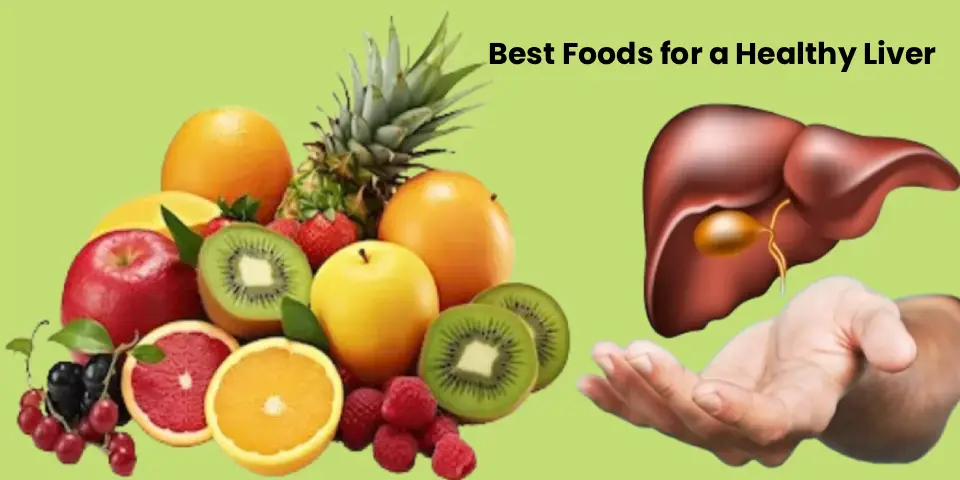
- Berries: Blueberries, strawberries, and cranberries are rich in polyphenols, which protect the liver from damage and improve overall liver health.
- Olive Oil: A small amount of olive oil improves liver enzyme levels and reduces fat accumulation in the liver.
- Green Tea: Loaded with antioxidants, green tea may improve liver enzyme levels and reduce fat deposits.
Foods to Limit or Avoid:
Along with eating healthy foods, it is equally important to reduce foods that can increase the risk of fatty liver.
1. Sugary Drinks and Packaged Juices
Soft drinks, energy drinks, sweetened beverages and packaged fruit juices can add excess sugar to your diet.
Frequent consumption of sugar-sweetened beverages is associated with an increased risk of metabolic problems and fatty liver.
2. Fried and Oily Foods
Regularly eating samosas, pakoras, french fries and other deep-fried foods can increase your calorie and unhealthy fat intake.
Try to choose homemade meals prepared with less oil.
3. Bakery Products and Refined Carbohydrates
White bread, cakes, biscuits, pastries and other refined flour products often contain added sugar and unhealthy fats.
Limit their regular consumption and choose whole grains whenever possible.
4. Processed and Packaged Foods
Packaged snacks, instant noodles, processed meats and ready-to-eat meals may contain excess salt, sugar and saturated fat.
Read food labels and choose less processed options.
5. Excess Alcohol
Alcohol can cause liver inflammation and damage. People with fatty liver or other liver diseases should discuss alcohol avoidance with their doctor.
Lifestyle Tips for Liver Health:
- Stay hydrated and drink plenty of water
- Maintain a healthy weight through diet and exercise
- Get regular check-ups and LFTs to monitor liver function
- Avoid self-medication or unverified supplements
When to Consult a Liver Specialist in Pune:
Fatty liver disease often does not cause noticeable symptoms during its early stages. Some people may discover it during a routine health check-up.
You should seek medical advice if you experience:
Persistent tiredness or weakness.
Yellowing of the eyes or skin.
Unexplained abdominal discomfort.
Swelling in the abdomen or legs.
Abnormal liver function test results.
A fatty liver finding on an ultrasound scan.
Early medical evaluation can help identify the cause and determine the right treatment and monitoring plan.
Conclusion: Small Food Changes Can Support Better Liver Health
Maintaining a healthy liver does not require expensive foods or complicated diet plans. Simple changes such as eating more vegetables, choosing whole grains, including pulses, reducing added sugar and staying physically active can make a positive difference.
If you have fatty liver, abnormal liver test results or other liver-related concerns, do not depend only on home remedies or diet changes. Proper medical evaluation is important.
Dr. Vikrant Kale, Consultant Gastroenterologist, Hepatologist and Interventional Endoscopist at Kaizen Gastro Care, has 18+ years of experience in managing digestive and liver-related conditions.
For personalised guidance on liver health, fatty liver management and appropriate investigations, consult a qualified liver specialist.
Contact Dr. Vikrant Kale for further information or consultation.
