

- October 28, 2026
- Dr. Vikrant Kale
- 0 Comments
- Latest Blogs
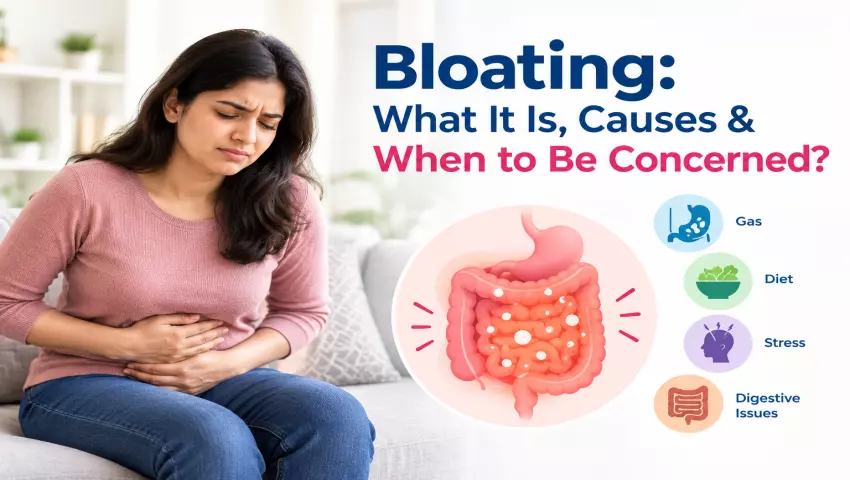
Bloating: What It Is, Causes & When to Be Concerned?
Your belly feels tight, full and heavy. Your trousers feel snug, even though you have not gained weight. This is bloating, and almost everyone has felt it at some point.
Most of the time, it goes away on its own. But if it keeps coming back, it may be telling you something. This blog explains the common causes, easy ways to get relief and the signs you should not ignore. It is medically reviewed by Dr. Vikrant Kale, a gastroenterologist, liver specialist and interventional endoscopist in Pune.
What Is Stomach Bloating?
Stomach bloating is a feeling of fullness, pressure or swelling in the abdomen. Some people feel bloated even when they have eaten only a small amount of food. Others notice that their stomach looks bigger than usual after a meal.
Bloating can happen when gas builds up in the digestive tract. It may also be related to constipation, food intolerance or problems with digestion.
Common stomach bloating causes include:
- Eating too quickly or eating large meals
- Excess gas in the digestive tract
- Constipation
- Food intolerance, such as lactose intolerance
- Indigestion
- Irritable bowel syndrome (IBS)
- Small intestinal bacterial overgrowth (SIBO)
The cause can be different for each person. Understanding when bloating occurs and what other symptoms you have can help identify the reason.
What Does Bloating Feel Like? Common Symptoms
Bloating does not feel the same for everyone. Some people experience mild fullness, while others may have noticeable abdominal swelling.
Common abdominal bloating symptoms include:
- A feeling of fullness after eating
- Tightness or pressure in the stomach
- Frequent burping
- Passing gas more often than usual
- Mild abdominal pain or cramps
- A hard or swollen stomach
- Constipation or changes in bowel movements
- Discomfort after meals
Bloating and gas often occur together. However, it is possible to feel bloated without passing a lot of gas.
What Causes Stomach Bloating?
There are several possible reasons for stomach bloating.
- Excess gas: Gas can build up when you swallow air while eating or when bacteria in the intestine break down certain foods.
- Constipation: When bowel movements become less frequent or stools are difficult to pass, gas and stool can build up. This may cause bloating and abdominal discomfort.
- Food intolerance: Some people have difficulty digesting lactose, a sugar found in milk. This can lead to gas, bloating and diarrhoea after consuming dairy products.
- Indigestion: Eating large or oily meals may cause heaviness, discomfort and upper abdominal bloating.
- Irritable bowel syndrome (IBS): IBS can cause bloating, abdominal pain, constipation or diarrhoea. Symptoms may become worse after certain foods.
- Small intestinal bacterial overgrowth (SIBO): An increase in bacteria in the small intestine can cause excessive gas, bloating and changes in bowel habits. These symptoms can also occur in other conditions, so proper assessment may be needed.
Stress, irregular eating habits and a lack of physical activity may also affect digestion in some people.
Why Does My Stomach Feel Bloated After Eating?
A bloated stomach after eating can be related to the type of food you eat, the size of your meal or how quickly you eat.
For example, eating a large meal may make you feel uncomfortably full. Beans, chickpeas, cabbage and onions can cause gas in some people. Milk may also cause bloating in people who have lactose intolerance.
Eating quickly can make you swallow more air, which may increase gas and burping.
If you experience bloating after every meal, try keeping a food diary. Write down what you eat, when the bloating starts and how long it lasts. This may help you notice a pattern.
Frequent bloating after meals should not always be blamed on food alone. Constipation, IBS and other digestive problems may also be responsible.
Why Is My Stomach Bloated Even Without Eating?
Sometimes, your stomach may feel bloated even when you have not eaten recently. This can happen because digestion and bowel movements continue throughout the day.
Constipation is one possible reason. IBS, food intolerance and changes in gut movement may also cause bloating without eating.
If your stomach feels swollen throughout the day or the problem keeps returning, pay attention to other symptoms. Persistent bloating with abdominal pain, changes in bowel habits or unexplained weight loss needs medical assessment.
How to Reduce Bloating Naturally?
A few simple changes may help reduce mild bloating.
- Eat slowly: Take time to chew your food properly.
- Eat smaller meals: Avoid eating very large portions at one time.
- Drink enough water: Adequate water intake can help maintain normal bowel movements.
- Walk after meals: A gentle walk may help support digestion.
- Manage constipation: Include suitable fibre sources in your diet and increase fibre gradually.
- Notice food triggers: Check whether milk, fizzy drinks or certain vegetables make your symptoms worse.
- Maintain regular meal timings: Try to avoid frequently skipping meals and then eating very large portions.
Foods that reduce bloating can vary from person to person. Rice, carrots and other well-tolerated foods may suit some people. There is no single diet that works for everyone.
If you need to know how to relieve bloating fast, try gentle movement, drink water and avoid another heavy meal. These steps may help mild discomfort, but they will not treat every cause of bloating.
Foods That May Cause Bloating:
Some foods produce more gas during digestion, while others may cause symptoms in people with specific intolerances.
You do not need to avoid all these foods. Notice which foods affect you and make changes only when needed. If you are considering a major dietary change, seek advice from a qualified healthcare professional.
When Should You Be Concerned About Bloating?
Occasional bloating is common. However, constant stomach bloating or symptoms that keep getting worse should not be ignored.
Speak to a doctor if you have:
- Bloating that occurs frequently or does not improve
- Repeated stomach bloating and pain
- Unexplained weight loss
- Blood in your stool
- A lasting change in bowel habits
- Loss of appetite or feeling full after eating very little
- Persistent vomiting or ongoing digestive discomfort
Seek urgent medical care if you develop sudden, severe abdominal pain, repeated vomiting with a swollen abdomen, or an inability to pass stool or gas. These symptoms may indicate a serious problem.
Bloating does not automatically mean that you have a serious disease. However, persistent symptoms need attention, especially when they occur with other warning signs.
How Is Persistent Bloating Diagnosed?
A doctor will usually begin by asking about your symptoms, eating habits, bowel movements and medical history. A physical examination may also help identify possible causes.
Depending on your symptoms, further tests may be recommended. These can include blood tests, stool tests, tests for certain food intolerances or breath tests for conditions such as SIBO.
In some cases, imaging or endoscopy may be needed. These tests are not necessary for everyone. The choice depends on your symptoms, examination findings and medical history.
Keeping a record of your symptoms can help your doctor understand the problem more clearly.
Treatment Options for Frequent or Persistent Bloating:
Treatment depends on the cause of bloating. There is no single medicine or treatment that works for everyone.
If constipation is responsible, treatment may focus on improving bowel movements. If a food intolerance is identified, changes to the diet may help. People with IBS may need changes in their diet, lifestyle and symptom management.
If a condition such as SIBO is suspected, a doctor may recommend appropriate tests and treatment.
Avoid taking medicines repeatedly without knowing the cause of your symptoms. If bloating continues despite simple changes, a medical evaluation can help guide the next steps.
When to Consult a Gastroenterologist for Bloating?
Occasional stomach bloating is common and may improve with simple changes in eating habits. However, frequent or persistent bloating may need medical attention, especially when it affects your daily routine or occurs with other digestive symptoms.
You should consult a gastroenterologist if you experience:
- Constant stomach bloating: Your abdomen feels full or swollen regularly.
- Bloating after every meal: You often feel uncomfortable, even after eating small portions.
- Stomach bloating and pain: Bloating occurs with repeated cramps or abdominal discomfort.
- Bloating and constipation: You have difficulty passing stools or notice changes in your bowel habits.
- Excessive gas and indigestion: Gas, burping or a feeling of fullness continues despite changes in eating habits.
- Unexplained weight loss: You lose weight without changing your diet or physical activity.
These symptoms may be related to constipation, food intolerance, irritable bowel syndrome (IBS) or other digestive conditions. The symptoms alone cannot confirm the cause, so proper medical assessment may be needed.
Frequently Asked Questions About Stomach Bloating:
Stomach bloating is mostly caused by swallowed air, gas-forming foods, constipation and food intolerance. Eating too fast adds extra air to the gut. Foods like rajma, chhole and onions make more gas. IBS and other digestive problems can also cause bloating and gas.
A bloated stomach after eating usually happens when you eat a large meal, eat too fast or have a fizzy drink with food. Lactose intolerance can also be the reason, especially after milk or paneer. If this happens often, it is better to get it checked.
To reduce stomach bloating quickly, walk gently for 10-15 minutes, sip water and avoid another heavy meal. Warm water or ginger tea may also help. How much relief you get depends on the cause, so frequent bloating needs a proper check-up.
Bloating without eating is often due to constipation, IBS or changes in digestion. Stress and hormonal changes can also play a part. If the bloating stays for many days, please see a doctor.
Beans, chickpeas, cabbage, onions, fizzy drinks and dairy products are common foods that cause gas and bloating. Dairy troubles mainly those with lactose intolerance. Every person reacts differently, so a simple food diary can help you find your own triggers.
Not always, but constant bloating should not be ignored. It needs medical evaluation if it comes with unexplained weight loss, blood in the stool or a change in bowel habits. These can be warning signs of a deeper gut or liver problem.
Yes, both IBS and constipation can cause gas, a full belly and discomfort. In constipation, gas gets trapped behind hard stool. In IBS, the gut is extra sensitive. The treatment depends on the cause and your symptoms.
See a gastroenterologist if bloating keeps returning, does not improve or affects your daily life. Seek urgent care if you have severe belly pain, repeated vomiting or cannot pass stool or gas. If you are looking for a stomach specialist in Pune, Dr. Vikrant Kale can guide you after a proper check-up.
Conclusion:
Stomach bloating can occur due to gas, constipation, food intolerance or digestive conditions such as IBS. Simple changes in eating habits and daily routine may help when symptoms are mild.
However, frequent or persistent bloating should not be ignored. Notice your symptoms, identify possible food triggers and seek medical advice when the problem continues or warning signs appear.
Understanding the cause is the first step towards managing bloating and improving digestive comfort.
