

- July 29, 2026
- Dr. Vikrant Kale
- 0 Comments
- Latest Blogs
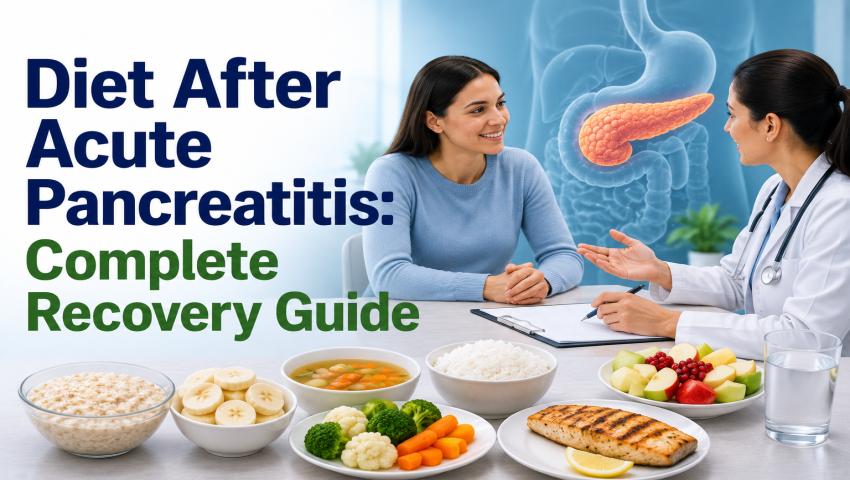
Diet After Acute Pancreatitis: Complete Recovery Guide
Had acute pancreatitis recently? Then you must be having one big question in mind: what to eat now?
Food plays a big role in healing the pancreas. Eat the wrong thing, and pain can come back. Eat the right way, and recovery becomes much smoother. A proper diet after acute pancreatitis can make all the difference in how fast you heal.
Dr. Vikrant Kale, gastroenterologist at Kaizen Gastro Care, Wakad, Pune, has 17+ years of experience and has helped 10,000+ patients with a 98% success ratio. In this blog, he shares simple diet tips for pancreatitis recovery.
What Is Acute Pancreatitis?
The pancreas is a small gland behind your stomach. It makes enzymes for digestion. It also makes insulin. In acute pancreatitis, this gland suddenly gets swollen. It causes bad stomach pain, vomiting, and fever.
Common causes are gallstones, too much alcohol, high fat in blood, and some medicines. Most patients need hospital care first. After the pain reduces, diet becomes very important for pancreatitis treatment.
Why Is Diet Important After Acute Pancreatitis?
Your pancreas needs rest to heal. Oily and spicy food make the pancreas work harder. This can slow down healing. It can also cause another attack.
A good pancreatitis recovery diet gives rest to your pancreas. At the same time, it gives your body proper nutrition. Right food at the right time also reduces pain and bloating.
When Can You Start Eating Again After Acute Pancreatitis?
Doctors wait till your pain reduces and your stomach sounds are normal. Earlier, doctors made patients fast for many days. But now, studies show early and gentle eating helps in faster healing.
Most patients can start liquids within 24 to 48 hours, once vomiting stops. Your gastroenterologist will tell you the right time based on your reports.
Foods to Eat After Acute Pancreatitis:
It is important to know what to eat after acute pancreatitis. Follow these steps slowly:
- Early Foods: Start with clear liquids like broth, clear juice, and gelatin. When your body accepts these well, move to soft foods like plain rice, toast, pasta, and boiled potato.
- Lean Proteins: Once you feel better, add steamed or baked fish, skinless chicken, dal (lentils), and low-fat paneer or curd. These are good foods to eat after pancreatitis because they are easy to digest.
- Fruits and Vegetables: Slowly add soft, cooked vegetables and soft fruits like banana and papaya. Avoid raw and gassy vegetables in the start.
Always follow a low fat diet after pancreatitis. Keep fat under 30 to 50 grams per day. Eat 5 to 6 small meals in a day instead of 2 to 3 big meals. This gives less work to your pancreas.
Foods to Avoid After Acute Pancreatitis:
It is also important to know the foods to avoid after acute pancreatitis:
- Fried and oily food
- Red meat and processed meat
- Full-fat milk products
- Alcohol, fully
- Smoking and tobacco
- Sugary drinks and extra sugar
- Spicy food
- Bakery items made with butter or ghee
Stopping alcohol and smoking is a must. These two are the biggest reasons for repeat attacks.
Sample Diet Plan After Acute Pancreatitis:
Here is a simple plan for your daily meals:
Your doctor will change this plan as per your recovery stage.
Best Eating Habits for Faster Recovery:
- Eat slowly, chew well
- Keep small portions
- Drink enough water in the day
- Do not lie down right after eating
- Keep a food diary to know your triggers
- Eat at the same time every day
Small habits give big results in your acute pancreatitis diet journey.
Foods That May Trigger Another Pancreatitis Attack:
Some foods can cause another attack, even after months of recovery. Your pancreas stays sensitive for a long time, so it is important to know these trigger foods:
- Fried snacks – Samosa, pakora, chips, and other oily fried items are very hard on the pancreas.
- Red meat – Mutton and other fatty meats take longer to digest and put extra load on the pancreas.
- Full-fat milk products – Full-cream milk, cheese, butter, and ghee have high fat, which can trigger pain.
- Alcohol – Even a small amount of alcohol can cause another attack. It is best to avoid it fully, for life.
- Sweet desserts – Cakes, sweets, and pastries with high sugar and fat can also cause trouble.
- Carbonated and sugary drinks – These can cause bloating and put stress on your digestion.
Every patient is different. Some foods may trouble one person but not another. It is a good idea to keep a food diary. Write down what you eat and how you feel after. If any food gives you pain, bloating, or discomfort, stop it right away and tell your doctor.
Do You Need Pancreatic Enzyme Supplements?
Your pancreas makes enzymes that help digest fat, protein, and carbohydrates. After an acute pancreatitis attack, some patients have weak digestion, mostly if the damage to the pancreas is more severe.
Signs of weak enzyme function include:
- Oily or foul-smelling stools
- Bloating and gas after meals
- Unexplained weight loss
- Frequent loose motions
In such cases, doctors may prescribe pancreatic enzyme supplements. These are taken with meals to help your body break down and absorb nutrients properly. They are not needed by every patient, only by those with confirmed poor digestion.
Never start these supplements on your own or based on advice from friends or family. Your gastroenterologist will check your symptoms, stool tests, and other reports before deciding if you truly need them, and will guide you on the right dose.
When Should You See a Gastroenterologist?
Meet a doctor at once if you see:
- Stomach pain comes back
- Vomiting again and again
- Sudden weight loss
- Oily or bad-smelling stool
- Yellow colour in eyes or skin
Early check-up for pancreas disease treatment in Pune can stop problems and help fast healing.
How Dr. Vikrant Kale Helps Patients Recover After Acute Pancreatitis?
Dr. Vikrant Kale is a trusted gastroenterologist, hepatologist, and interventional endoscopist in Pune, with more than 17 years of experience.
He completed his MBBS from MIMER, Pune, in 2003. After this, he trained in Ireland and got his MRCPI from The Royal College of Physicians of Ireland in 2009. In 2018, he went to Oxford University, UK, and completed two fellowships — one in GI Endoscopy and one in Inflammatory Bowel Disease (IBD). This international training helps him give the latest and safest treatment to his patients.
Dr. Kale has also published his research work in respected medical journals like Digestive Endoscopy.
With over 10,000 happy patients and a 98% success ratio, he has done around 3,200 gastroscopies, 2,000 colonoscopies, and 700 ERCPs. At Kaizen Gastro Care, Wakad, Pune, he checks every patient carefully and makes a safe, step-by-step diet and treatment plan for full recovery.
Conclusion:
Recovering from acute pancreatitis takes patience, but the right diet makes the journey much smoother. Start slow with liquids, move to soft starchy food, add lean protein, and always keep fat intake low. Avoid alcohol, smoking, and fried food completely. Small, frequent meals and good hydration go a long way in healing your pancreas.
If you need expert guidance on your diet after acute pancreatitis or ongoing pancreatitis care, book a consultation with Dr. Vikrant Kale at Kaizen Gastro Care,Pune.
- Visit: Kaizen Gastro Care, Shop no. 208/209, Oriana Crest Building, Datta Mandir Rd, Wakad, Pune, Maharashtra 411057
- Call: 075584 23708
- Email: drkalegastroclinic@gmail.com
- Website: www.drkalegastroclinic.com
Frequently Asked Questions (FAQs):
A low-fat diet with small, frequent meals is best. Eat lean protein, soft starchy food, and cooked vegetables. Avoid fried and oily food.
Boiled rice, oats, skinless chicken, fish, dal, low-fat curd, papaya, banana, boiled potato, and clear soup are gentle on the pancreas and help healing.
Follow your doctor’s diet plan strictly. Avoid alcohol and smoking. Drink enough water. Eat small meals. Go for regular follow-ups with your gastroenterologist.
Most doctors say to follow a low-fat diet for a few weeks to months, based on how bad the attack was. Your gastroenterologist will tell you when to slowly add normal food again.
Only if your doctor tells you, based on your symptoms and test reports. Not every patient needs enzyme supplements after recovery.
Dr. Vikrant Kale is one of the best doctors for pancreatitis treatment in Pune. He is a gastroenterologist, hepatologist, and interventional endoscopist with 17+ years of experience, international training from Ireland and Oxford University, UK, and a 98% success ratio in treating over 10,000 patients.
You can call 075584 23708 or visit Kaizen Gastro Care, Wakad, Pune, between Monday to Saturday, 9:00 AM to 1:00 PM and 5:00 PM to 9:00 PM. You can also visit www.drkalegastroclinic.com for more details.
